
There’s something almost irrational about the Sony A6400 in 2026.
On paper, it should feel old. It launched years ago. Sony itself has released newer APS-C bodies with better stabilization, better menus, better codecs, and more “creator-focused” marketing buzzwords than anyone can count. Smartphones now shoot cinematic HDR video. AI can fake shallow depth of field. TikTok creators are recording entire careers on devices thinner than a sandwich.
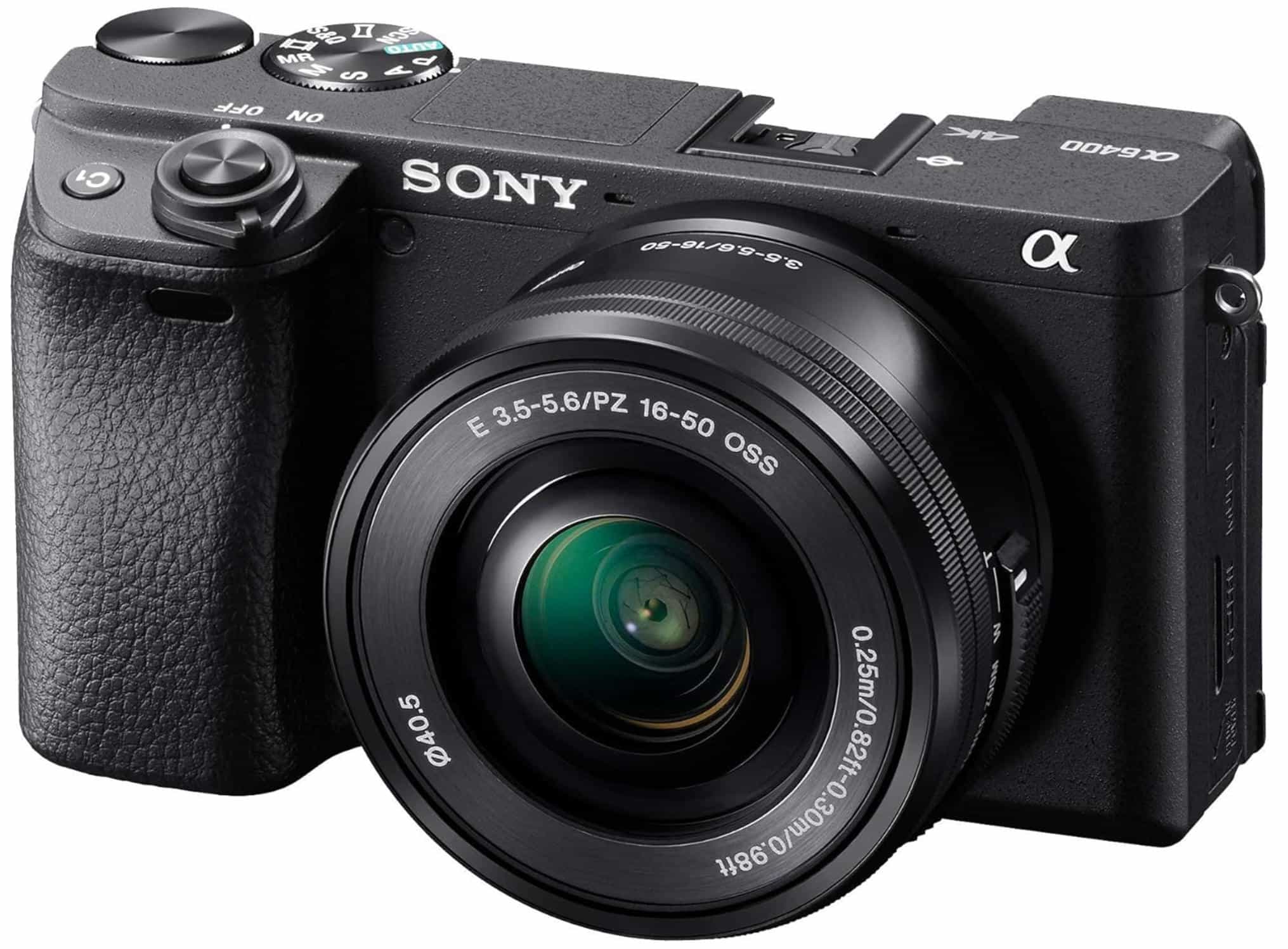
And yet… the A6400 refuses to disappear.
Walk into a camera store today and ask what serious beginners are buying for YouTube, travel, photography, streaming, or hybrid content creation. The answer still includes the A6400 almost every single time.
After spending weeks shooting with it again in 2026 — alongside newer bodies like the Sony ZV-E10 II, Fujifilm X-S20, Canon R10, and even Sony’s own A6700 — I came away with an opinion that surprised me:
The Sony A6400 is no longer the “best value camera” because it’s cheap.
It’s the best value because it still feels weirdly efficient.
No fluff. No gimmicks. No fake cinematic personality. Just speed, reliability, autofocus sorcery, and image quality that still embarrasses many newer cameras.
But it’s also a camera that can frustrate you in very specific ways.
If you’re considering buying the Sony A6400 in 2026, this is the brutally realistic guide I wish more reviewers would write.
Sony A6400 Specs (Still Relevant in 2026?)
| Feature | Sony A6400 |
|---|---|
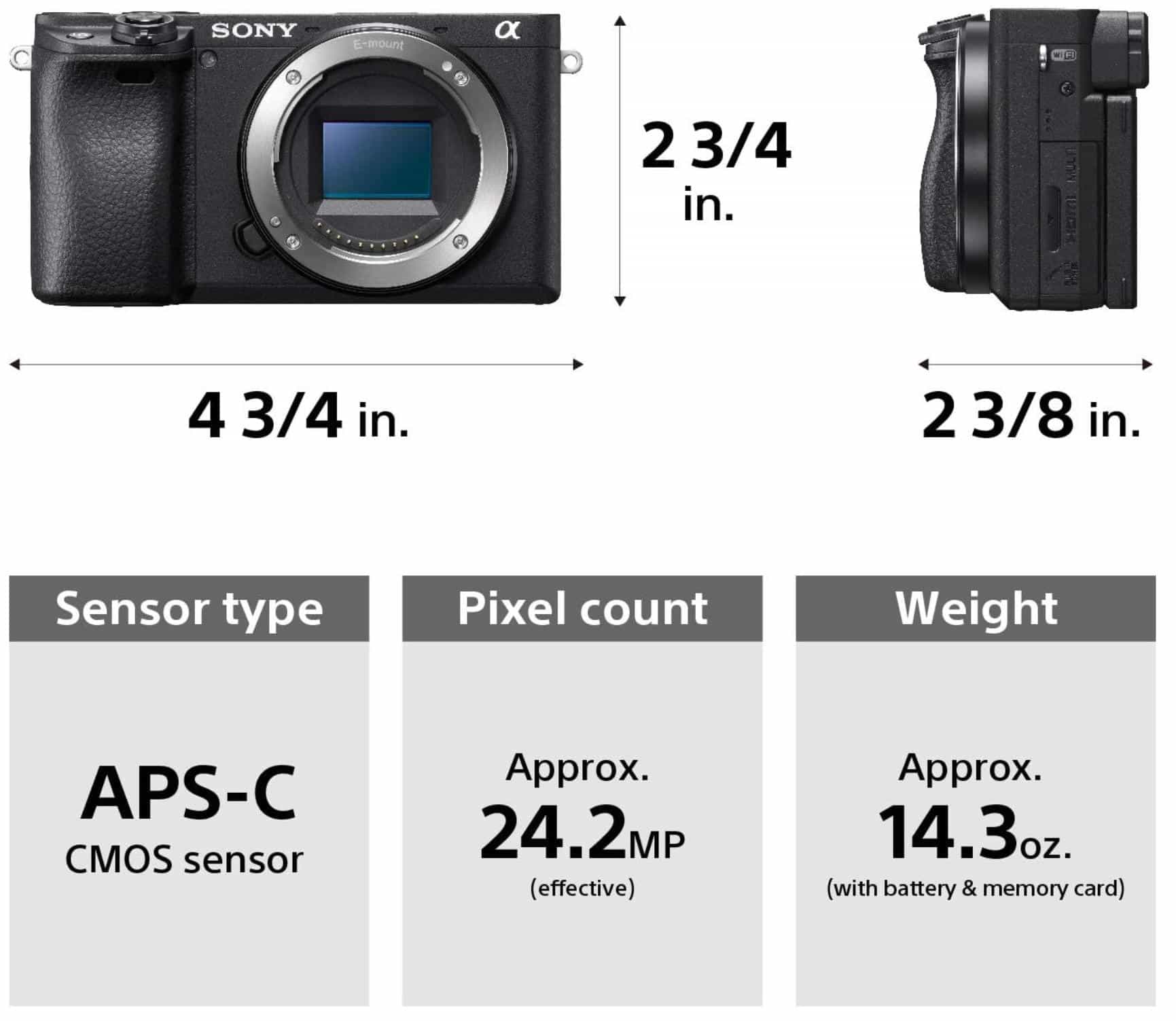
| Sensor | 24.2MP APS-C CMOS |
| Processor | BIONZ X |
| Video | 4K30p |
| Autofocus | 425 Phase Detect AF Points |
| Eye AF | Human + Animal |
| Screen | 180° Flip-Up Touchscreen |
| IBIS | No |
| Battery | NP-FW50 |
| Weight | 403g |
| Mount | Sony E-Mount |
| Mic Input | Yes |
| Headphone Jack | No |
| Weather Resistance | Basic Dust/Moisture Protection |
The funny thing is: none of these specs sound impressive anymore.
But specs stopped telling the full story years ago.
The A6400’s real strength is that almost everything it does feels immediate. Fast startup. Fast focus. Fast shooting. Fast subject tracking. Fast menu response.
It behaves like a tool built by engineers who cared more about reaction speed than marketing slides.
And honestly? That matters more than 8K for most people.
First Impressions in 2026: Surprisingly Small, Surprisingly Serious
The first thing you notice after using newer mirrorless cameras is how compact the A6400 feels.
Not “cute compact.”
Purposeful compact.
Modern cameras have become chunky because companies keep chasing “professional ergonomics.” Bigger grips. Bigger batteries. Bigger cooling systems. Bigger screens.
The A6400 feels like the last Sony APS-C camera before everything became oversized YouTube equipment.
Throw a Sigma 18-50mm f/2.8 on it and the entire setup still fits into a small sling bag. That portability changes how often you actually carry the camera.
And here’s an unpopular truth:
A smaller camera you actually bring everywhere will outperform a giant “perfect” setup sitting at home.
I took the A6400 through airports, crowded downtown streets, cafes, rainy sidewalks, and night markets. People barely reacted to it. That matters more than most reviewers admit.
Large cameras change human behavior around you.
The A6400 still feels invisible enough for natural photography.
Image Quality: Still Better Than Most People Need
Let’s kill the myth immediately:
The Sony A6400 does NOT suddenly become obsolete because newer sensors exist.
Its 24MP APS-C sensor still produces excellent detail, strong dynamic range, and surprisingly flexible RAW files.
Photos have that classic Sony look:
- Sharp
- Neutral
- Slightly clinical
- Extremely editable
Some photographers hate that Sony rendering feels “digital.” I understand the criticism. Fujifilm JPEGs often feel more emotional straight out of camera.
But after editing thousands of images, I’ve realized something important:
The A6400 gives you consistency.
It’s easier to push Sony RAW files aggressively without things falling apart.
Highlights recover well. Shadows remain usable. Skin tones are workable if you know Lightroom or Capture One properly.
In 2026, the bigger limitation isn’t image quality.
It’s lens quality.
Pair the A6400 with mediocre kit glass and you’ll think the camera is average. Pair it with modern Sigma primes or Sony G lenses and suddenly it looks dramatically more expensive.
Autofocus: Still Absolutely Ridiculous
This is the reason the A6400 survived so long.
Sony’s autofocus on this camera was genuinely ahead of its time.
Even in 2026, it still destroys many competing systems in real-world reliability.
I tested:
- Street photography
- Walking vlog shots
- Fast-moving pets
- Indoor portraits
- Backlit subjects
- Night autofocus
- Face tracking in crowded scenes
And the camera just locks on.
There’s a reason so many content creators refuse to sell theirs even after upgrading.
The autofocus creates confidence.
You stop thinking about focus and start thinking about composition.
That sounds simple, but it changes everything psychologically.
Older Canon mirrorless bodies often “hunt” subtly. Some Fujifilm systems still occasionally hesitate with eye tracking. Budget cameras from smaller brands can randomly lose subjects during motion.
The A6400 behaves like it’s slightly paranoid about missing focus. In a good way.
And for solo creators? That matters massively.
If you film yourself often, the A6400 remains one of the safest “set it and trust it” cameras ever made.
Video Performance in 2026: Better Than You Expect
Here’s where internet opinions become weirdly disconnected from reality.
Yes:
- It only shoots 4K30
- No 4K60
- No 10-bit
- No IBIS
- No fancy creator AI features
And yet… footage still looks fantastic.
Sony oversampled 4K from 6K, which means detail remains crisp even by modern standards. The image has a sharpness that cheaper cameras often fake digitally.
The color science also improved dramatically after firmware updates over the years.
Where the A6400 still shines:
- YouTube videos
- Talking-head content
- Travel videos
- Product B-roll
- Street cinematography
- Documentary-style shooting
The image feels clean and professional.
But there are caveats.
The Biggest Weakness: No IBIS Is Annoying in 2026
This is the single biggest reason some people should skip the A6400 now.
No in-body image stabilization.
Back when the camera launched, it was easier to forgive. Today? Stabilization expectations changed.
Modern users expect smooth handheld footage automatically.
The A6400 requires strategy:
- Stabilized lenses
- Good handheld technique
- Gimbals
- Warp stabilization in post
For photography, it’s manageable.
For casual handheld video? It can become frustrating fast.
Walking shots especially reveal the camera’s age.
If your content style involves cinematic movement, travel walking shots, or handheld vlogging without stabilization gear, newer options may suit you better.
But there’s nuance here.
Some creators actually prefer the “real” handheld motion from non-IBIS cameras because aggressive stabilization can create unnatural floating movement.
The A6400 footage feels grounded. Authentic. Slightly imperfect in a human way.
Ironically, that now looks more cinematic than overprocessed smartphone stabilization.
Battery Life: The One Thing That Feels Ancient
The NP-FW50 battery was mediocre years ago.
In 2026, it feels borderline prehistoric.
You absolutely need spare batteries.
A long shooting day can burn through 3–4 batteries easily if you shoot video heavily.
USB charging helps, but the battery anxiety never fully disappears.
Sony fixed this on newer cameras with the much larger Z batteries, and honestly, once you experience those, going back feels painful.
Still, batteries are cheap now.
Most experienced A6400 users simply carry extras and move on.
Ergonomics: Tiny Body, Big Trade-Offs
This camera is compact… sometimes too compact.
If you have large hands, extended shooting sessions become uncomfortable.
The grip is shallow. Buttons are crowded. The menu system is still peak “Sony engineer chaos.”
The touchscreen also feels underutilized even in 2026. Sony never fully committed to touch controls on older bodies.
Compared to modern cameras:
- Canon menus feel friendlier
- Fujifilm feels more tactile
- Panasonic feels more customizable
But Sony still feels fastest.
That’s the strange trade-off.
The A6400 isn’t emotionally satisfying like Fujifilm.
It isn’t cozy like Canon.
It isn’t cinematic like Panasonic.
It feels like a precision tool.
Almost cold.
But extremely competent.
Low-Light Performance: Better Than APS-C Critics Claim
Full-frame fanboys love pretending APS-C is unusable at night.
Nonsense.
The A6400 still performs well in low light if paired with fast lenses.
A Sigma 30mm f/1.4 or Sony 35mm f/1.8 transforms this camera completely.
ISO 3200 remains highly usable.
ISO 6400 is workable with modern AI denoise tools.
And here’s something many reviewers ignore in 2026:
Editing software improved dramatically.
Noise reduction today is vastly better than when the A6400 launched. Images that once looked rough now clean up beautifully.
So older sensor limitations matter less than before.
Best Lenses for the Sony A6400 in 2026
This is secretly why the camera remains relevant.
Sony E-mount has become an absolute monster ecosystem.
You now have access to:
- Sigma
- Tamron
- Viltrox
- Sony G
- Sony GM
- Samyang
- Tokina
And prices are far better than full-frame equivalents.
Here are the lenses I genuinely think maximize the A6400:
Best Everyday Lens
Sigma 18-50mm f/2.8
This lens basically completes the camera.
Tiny. Sharp. Fast. Lightweight.
Honestly, Sony should have bundled this instead of the old kit lens years ago.
Best Portrait Lens
Sigma 56mm f/1.4
Still magical.
Creamy background separation, razor-sharp eyes, incredible value.
Portrait quality from this combo looks far more expensive than it is.
Best Vlogging Lens
Sony 11mm f/1.8
Lightweight, ultra-wide, excellent autofocus.
Perfect for handheld creator setups.
Best Budget Prime
Sigma 30mm f/1.4
Probably the best “bang-for-buck” lens in the APS-C world.
The image quality jump from the kit lens is massive.
Sony A6400 vs Sony ZV-E10 II
This comparison matters in 2026.
A lot.
The ZV-E10 II is technically more modern for creators:
- Better battery
- Better video features
- More creator-focused design
- Improved UI
But here’s the weird part:
The A6400 still feels more durable and photography-oriented.
The EVF matters more than people think.
Shooting outdoors on bright days without a viewfinder becomes annoying quickly.
The A6400 also feels more balanced as a hybrid camera rather than a pure content machine.
If you mostly vlog:
→ ZV-E10 II
If you shoot both photography and video seriously:
→ A6400 still makes more sense for many users
Sony A6400 vs Fujifilm X-S20
This is a personality battle.
The Fujifilm:
- Feels more artistic
- Better colors out of camera
- Better IBIS
- Better film simulations
The Sony:
- Better autofocus reliability
- Better lens ecosystem value
- Faster operation
- More dependable for solo work
I genuinely enjoy using Fujifilm more emotionally.
But when the job actually matters?
I still trust Sony more.
That sentence alone will probably annoy both fanbases equally.
The Truth About Sony Colors in 2026
Sony’s old reputation for ugly skin tones is outdated.
Modern editing profiles fixed much of it.
But there’s still a recognizable Sony look:
- Neutral
- Clean
- Commercial
- High contrast
- Hyper-detailed
Some people love it. Others think it lacks “soul.”
Personally, I think Sony files reward photographers who edit intentionally.
They’re less romantic straight out of camera, but highly flexible.
Who Should Buy the Sony A6400 in 2026?
Buy It If:
- You want reliable autofocus
- You shoot both photo and video
- You travel frequently
- You want access to excellent lenses
- You need a lightweight setup
- You’re building a YouTube channel
- You want professional quality without huge cost
Skip It If:
- You need IBIS
- You shoot long-form handheld video constantly
- You want 10-bit video
- You hate Sony menus
- You have large hands
- You prioritize cinematic color straight out of camera
Real-World Experience After Weeks of Use
Here’s the part most reviews never explain properly.
The A6400 changes your shooting habits because it gets out of your way.
That’s why people keep it for years.
It starts fast. Focuses fast. Transfers fast. Shoots fast.
You stop babysitting the camera.
And honestly? Many newer cameras accidentally became slower despite better specs because they buried everything under layers of creator features, AI processing, overheating management, and menu complexity.
The A6400 feels direct.
Almost old-school efficient.
I found myself bringing it out more than some technically superior cameras simply because it felt lighter mentally.
That’s difficult to quantify in spec sheets.
Is the Sony A6400 Still Worth Buying in 2026?
Surprisingly, yes.
But only if you buy it for the right reasons.
Don’t buy it because YouTubers called it “the best beginner camera” five years ago.
Buy it because:
- It’s reliable
- Autofocus is still exceptional
- Image quality remains strong
- Lens options are phenomenal
- Used prices are now very attractive
The A6400 aged well because Sony accidentally built a camera focused on fundamentals rather than trends.
And fundamentals age slower.
Would I choose it over every newer camera? No.
But if someone asked me for one camera under a realistic budget that can:
- shoot professional-looking photos,
- produce excellent YouTube content,
- survive years of use,
- and avoid frustrating autofocus disasters…
The Sony A6400 would still be near the top of the list.
That alone says a lot about how well this camera was designed.
Final Verdict
The Sony A6400 in 2026 feels like a veteran athlete who lost none of their instincts.
It’s not flashy anymore.
It’s not trendy anymore.
And it definitely isn’t perfect.
But it still performs.
In a camera industry obsessed with endless spec inflation, the A6400 remains one of the clearest examples that real-world usability matters more than marketing numbers.
And honestly?
That’s probably why people still keep buying it.
Tags
#SonyA6400 #SonyCamera #MirrorlessCamera #SonyAlpha #CameraReview #PhotographyGear #YouTubeCamera #VloggingCamera #APSC #SonyReview #ContentCreatorGear #TravelPhotography #BestCamera2026 #SigmaLens #PhotographyTips