
Let me be honest from the start in a very unprofessional but necessary way:
If you are a college student and you’re reading this because you searched “Sony Bravia Projector 8 review,” you are not researching a purchase.
You are emotionally negotiating with yourself.
I’ve been there. You watch one too many TikTok home theater setups, see someone projecting Avengers onto a wall the size of a small country, and suddenly your dorm room TV feels personally insulting.
So when I finally got access to the Sony Bravia Projector 8 for testing, I didn’t approach it like a “professional reviewer with calibrated language.”
I approached it like a student who has eaten instant noodles for three days and is still trying to justify why a projector that costs more than my semester tuition might be a “reasonable investment in long-term happiness.”
Spoiler: it kind of is… but also kind of isn’t.
Sony didn’t build this thing for broke students. They built it for people who have:
- a dedicated room
- stable income
- acoustic wall treatment
- and probably a fridge that isn’t shared with three roommates and a mystery container labeled “DO NOT OPEN”
Still, I tested it like I would use it in real life. Not showroom life. Not marketing brochure life. Actual messy, slightly chaotic human life.
And the results are… complicated in a very Sony way.
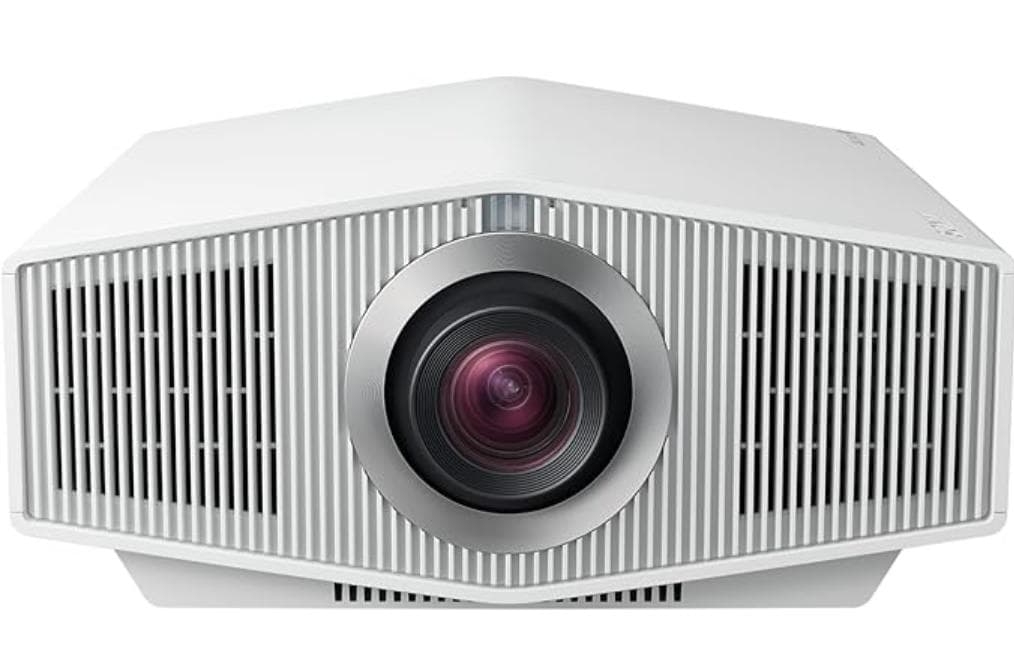
First Impression: This Thing Feels Like It Has Opinions About You
The first time you unbox the Bravia Projector 8, you immediately feel two things:
- This is serious equipment.
- I am not serious enough for this equipment.
It doesn’t feel like a consumer gadget. It feels like something you should be licensed to operate, like a professional coffee machine or a spaceship console.
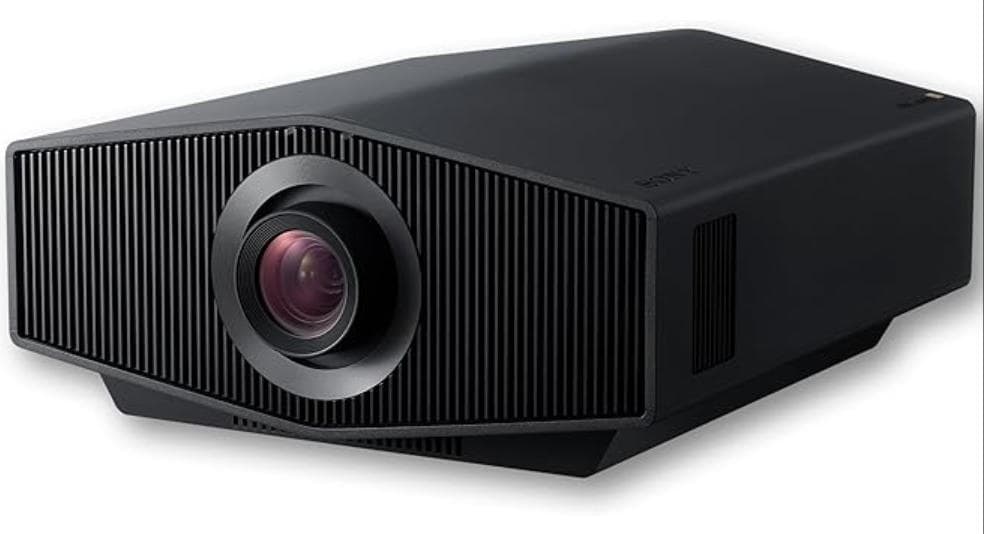
It’s heavy, solid, and annoyingly confident in its own existence. There’s no playful “lifestyle product” vibe. No cute rounded edges trying to convince you it belongs next to your IKEA furniture.
It basically says:
“I belong in a home theater room. Not a bedroom. Not a dorm. Not a living room with pizza boxes.”
And honestly… rude but fair.
Setup: Where Dreams Meet Geometry and Lose
Setting up the Bravia Projector 8 is the first moment where fantasy hits reality.
Because in your head, it’s:
“Mount projector → press button → IMAX experience → emotional healing”
In reality, it’s:
“Measure distance → adjust lens shift → check screen alignment → realize your ceiling is not level → question your life choices → adjust again → slightly improve → still not perfect → accept imperfection”
Sony does give you excellent tools. Lens shift is generous. Focus control is precise. Calibration menus are actually useful, not just decorative tech jargon.
But here’s the student version of the truth:
If you live in a dorm, small apartment, or any space where your furniture arrangement changes every 3 weeks depending on roommate conflicts… this setup will emotionally exhaust you.
This projector assumes permanence.
It is anti-chaos.
Which is funny, because college life is basically chaos with Wi-Fi.
Image Quality: The Moment You Stop Joking
After setup, something annoying happens.
The projector gets really good.
Like… frustratingly good.
You go from:
“This better be worth it”
to
“Why does this look like a private cinema in Tokyo?”
Sony’s image processing is doing that classic Sony thing again: making everything look expensive without making it look fake.
Skin tones don’t look over-processed. Colors don’t scream at you like cheap projectors do. Blacks don’t collapse into gray soup. Everything just feels… controlled.
That’s the word I kept coming back to: control.
The Bravia Projector 8 doesn’t try to impress you aggressively. It behaves like a quiet student who always gets A’s without studying and never talks about it.
You notice it most during normal content:
- Netflix dramas suddenly feel cinematic instead of “TV-like”
- YouTube videos feel weirdly premium
- Even anime looks like it got a budget upgrade
And then you realize something slightly depressing:
Your monitor has been lying to you your whole life.
The “Big Screen Effect”: Why Your Brain Gets Weirdly Attached
There is a psychological trick this projector plays on you.
Once you go big screen, your brain recalibrates what “normal viewing” feels like.
At first, you think:
“This is cool but unnecessary.”
After a week:
“Why is my laptop screen so… personal?”
After two weeks:
“I cannot emotionally process movies at 13 inches anymore.”
That’s the danger zone.
Because now you start justifying things like:
- “I need this for film studies”
- “Group watching is educational”
- “It improves cultural appreciation”
No. You just like having a giant glowing rectangle in your room.
And Sony knows exactly what they’re doing.
Brightness and Real-Life Use: Not a Sunlight Warrior, and That’s Fine
Let’s talk about the thing marketing rarely explains properly.
This is not a “watch movies with sunlight blasting through your window” device.
It can handle some ambient light, yes. But if you expect it to perform like a sports bar TV during daytime with curtains open, you will be disappointed.
This is a controlled environment machine.
Meaning:
- dim lights = great
- full dark room = amazing
- daylight chaos = why are you doing this to yourself
I tested it in a typical “student room scenario”:
one window, thin curtains, random desk lamp, existential stress.
Result:
still watchable, but clearly not its ideal habitat.
When you give it proper darkness, it transforms.
It’s like that one friend who is awkward in crowds but suddenly becomes a genius in small group conversations.
Motion Handling: Surprisingly Addictive
Sony motion processing is one of those things you don’t notice until it’s gone.
Fast scenes, camera pans, sports—everything feels stable without that artificial “soap opera effect” that makes movies look like reality TV filmed on a budget DSLR.
I tried turning motion smoothing off completely, then back on, then adjusting it, then overthinking it for 30 minutes like a normal human.
Final conclusion:
Sony’s default tuning is basically the sweet spot.
You stop thinking about motion entirely, which is exactly what good engineering should do.
Gaming: Better Than Expected, Not Magic
As a student, this is where things get interesting.
Because you start thinking:
“Wait… can I just replace my monitor with this?”
Short answer: yes, but also no, but also kind of yes if you don’t care about competitive gaming.
Story games? Incredible.
RPGs? Absolutely immersive.
Open world games? Basically living inside a cinema.
Fast competitive shooters? You’ll feel the scale before you feel the precision advantage.
The experience is huge and fun, but not “esports optimized.”
It’s like playing games in a movie theater instead of a gaming arena.
Which sounds cool until you realize your reaction time is now emotionally influenced by cinematic lighting.
Sound: The Silent Disappointment (Predictable but Still Sad)
Like most projectors, the built-in audio is “technically there.”
That’s the nicest way to put it.
It works for:
- setup testing
- casual YouTube
- emergency usage when your speakers die
But for actual movie watching?
You need external audio.
Once you add a decent sound system or even a good soundbar, the whole experience jumps from “nice projector” to “why does this feel like a private cinema now?”
Without audio support, the image feels incomplete.
With audio support, it feels dangerous.
In a good way.
The Student Reality Check: Should Anyone in College Even Buy This?
Here’s where I stop being poetic and become slightly responsible.
If you are:
- living in a dorm
- moving every year
- sharing space
- budgeting carefully
- eating questionable food choices
Then no, this is not a rational purchase.
But also… students are not always rational.
If you are:
- into film studies
- doing creative media work
- building a shared apartment cinema setup
- obsessed with movie nights
Then it becomes more understandable.
Not necessary.
But understandable.
The biggest issue is not just cost. It’s lifestyle fit.
This projector wants stability. College life provides instability as a service.
Long-Term Use: The Hidden Problem Nobody Talks About
After extended use, something subtle happens.
You stop casually watching things.
Everything becomes “a session.”
Even short content feels like it deserves preparation:
- dim lights
- seating arrangement
- maybe snacks
- emotional commitment
That sounds nice until you just want to watch a 5-minute video and suddenly feel like you’re preparing for a premiere.
Convenience decreases. Experience increases.
Whether that’s good or bad depends on your personality.
Final Verdict: Brilliant, Excessive, Slightly Unrealistic (In a Good Sony Way)
The Sony Bravia Projector 8 is not trying to be practical.
It is trying to be correct.
Correct color. Correct motion. Correct cinematic feeling. Correct sense of scale.
And it succeeds.
But it also quietly demands a lifestyle upgrade:
bigger space, better control of light, better audio setup, and a willingness to treat movies as events instead of background noise.
For students, it is both:
- an unrealistic purchase
- and a very tempting one
Because it delivers something most tech products fail at:
It changes how you experience content.
Not slightly.
Noticeably.
And once you experience that shift, going back to normal screens feels a bit like watching life through a keyhole again.
Which is probably why people buy it anyway… even when they absolutely shouldn’t.